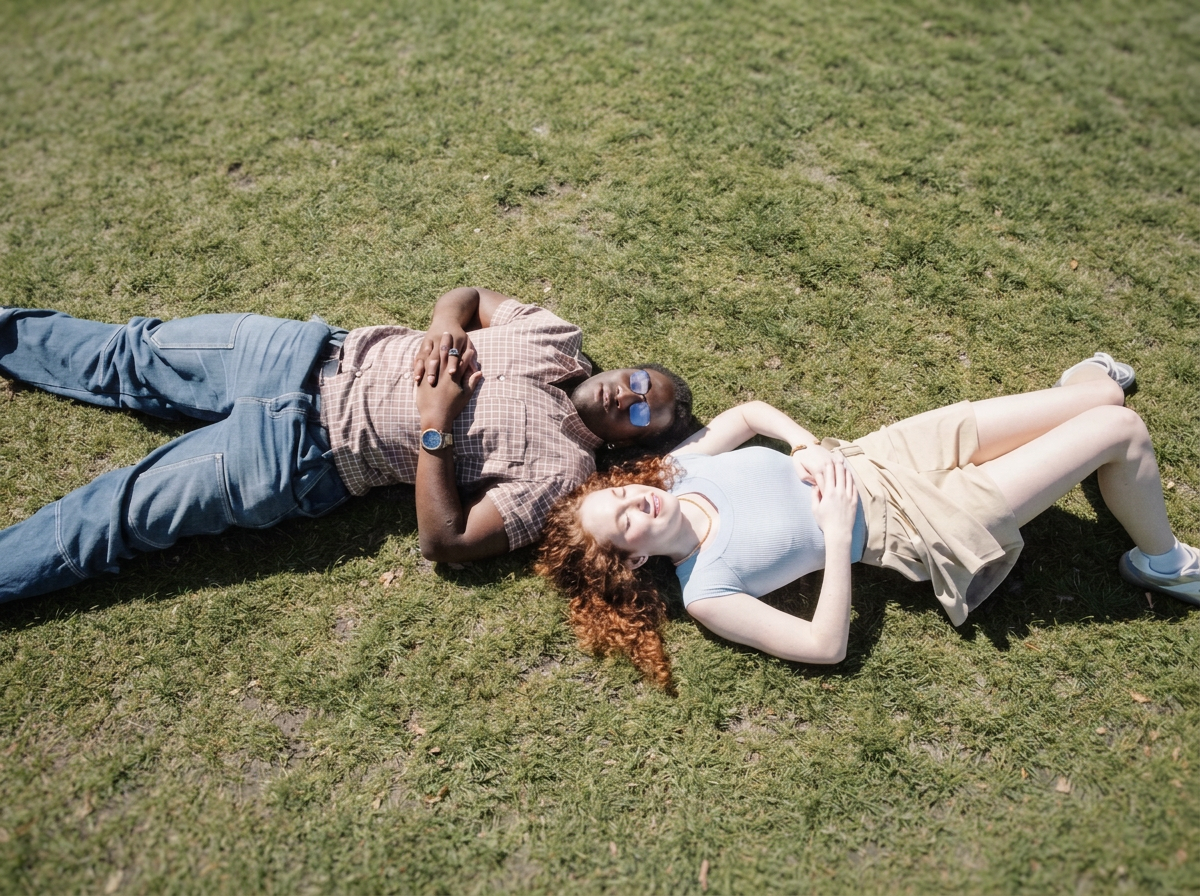
The Process…
At its core, filmmaking is an act of observation. Every story begins with a simple question, a moment, a feeling, or a conflict that refuses to leave us alone. From there, the writing process becomes one of exploration, uncovering the layers of a character's experience and discovering what the story is truly trying to say.
At Offset Films, we create character-driven narratives that explore the quiet complexities of being human. While our projects span different genres and formats, they are united by a common belief: the most meaningful stories are often found within the internal struggles we carry rather than the external events we experience.
Our films are less concerned with dramatic transformations and more interested in the subtle shifts that occur when people are forced to confront themselves. Whether it's grief, isolation, forgiveness, belonging, or the search for connection, our stories follow characters navigating deeply personal conflicts that gradually reshape how they see themselves and the world around them.
Rather than building toward sweeping resolutions, we often gravitate toward quieter endings. The moments that stay with us are rarely the loudest. More often, they arrive in a conversation left unfinished, a relationship beginning to heal, or a small act of understanding that changes everything. We believe stories can leave an impact without providing every answer, inviting audiences to sit with the questions long after the screen goes dark.
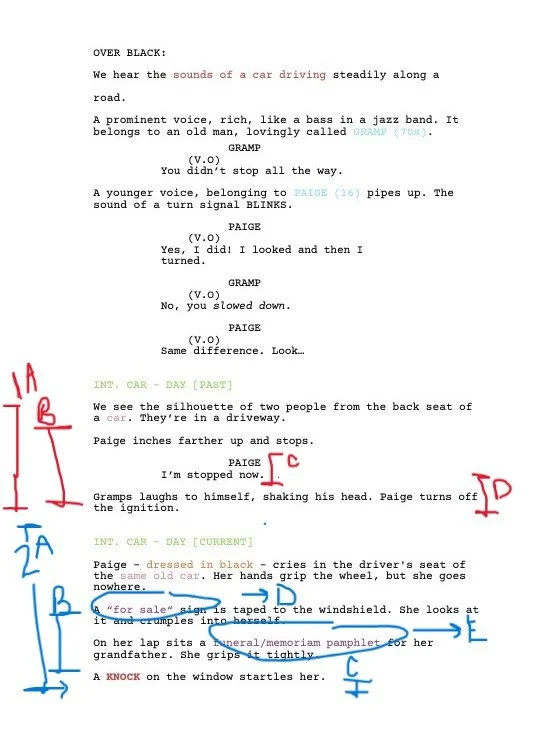
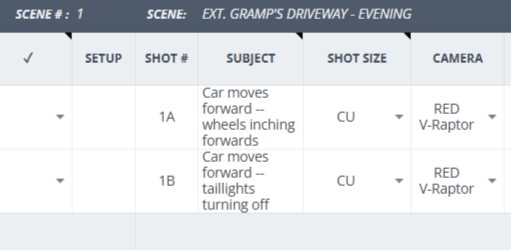
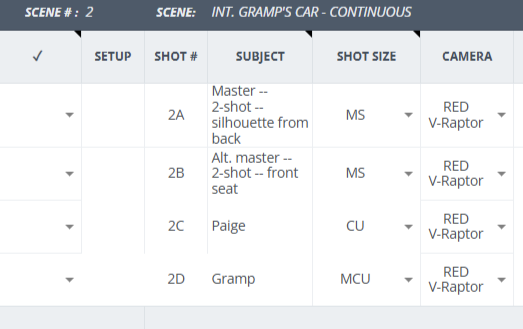
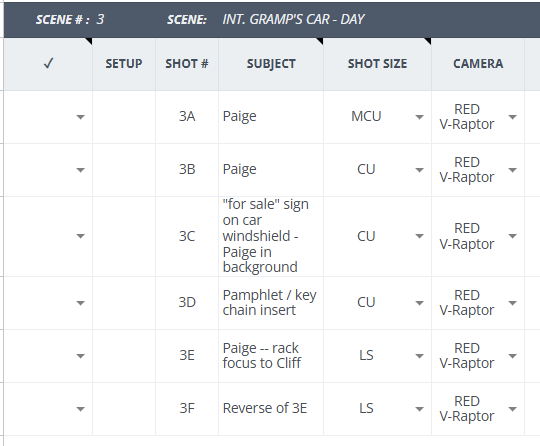
At its surface, Blind Spot is a story about a teenager learning to drive with her estranged father after the death of her grandfather. Beneath that, however, the film explores grief, forgiveness, and the complicated nature of second chances.
The driving lessons serve as a vehicle for something much larger: Paige's struggle to reconcile the father she wishes she had with the father who is finally trying to show up. As she navigates the uncertainty of adulthood and the loss of the person who once guided her, she is forced to confront questions of trust, resentment, and whether people are capable of change.
Rather than offering a definitive answer, Blind Spot embraces the ambiguity of healing. The film is less interested in reconciliation as a destination and more interested in the difficult choice to remain open to it. Through quiet moments and everyday interactions, it explores how grief can reshape our relationships and how moving forward often requires carrying both love and disappointment at the same time.
Blind Spot
Glossier Spec
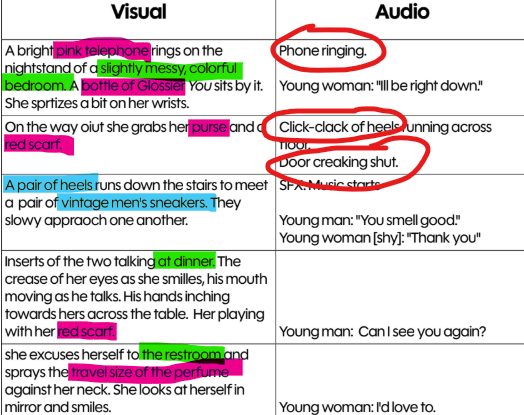
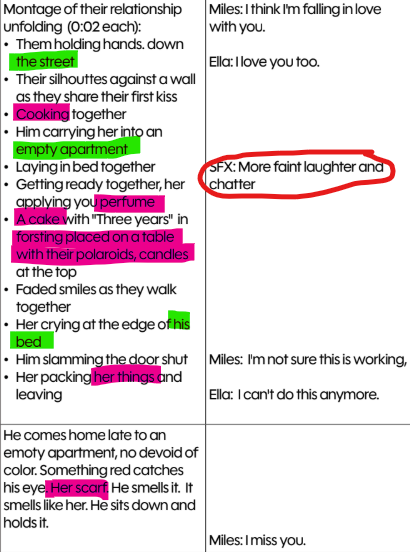
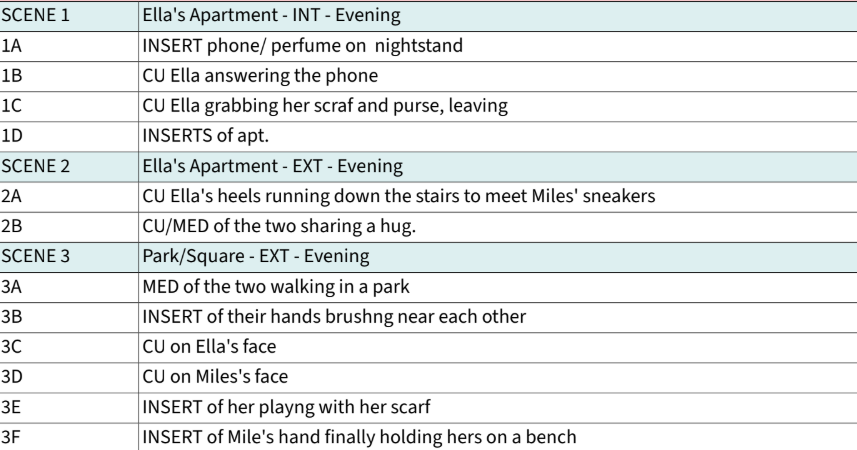
Commercial scripts often operate differently than traditional narrative screenplays. With only thirty seconds to one minute to capture an audience's attention, they rely heavily on visual storytelling, allowing more room for interpretation, spontaneity, and creative decision-making during production. Rather than building a story through extensive dialogue or plot, commercial scripts are often designed to evoke a feeling, communicate an idea, or create an emotional association.
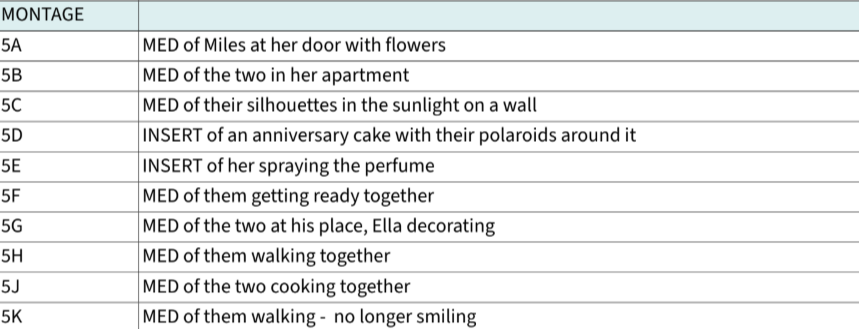
For this Glossier You spec commercial, I was interested in exploring the fragrance beyond the scent itself. What makes a perfume memorable isn't always how it smells, but the feeling it leaves behind. When Glossier introduced You, the brand emphasized that the fragrance develops uniquely on every wearer, becoming a reflection of the individual rather than a one-size-fits-all scent.
That idea became the foundation of the concept. Through a series of intimate details and fleeting moments, the film explores how people leave traces of themselves behind. A scent lingers on clothing, in a room, or in memory long after someone has gone. "Remnants of You" is ultimately a reflection on identity, memory, and the subtle ways we continue to carry pieces of one another with us. You doesn't become your scent. It becomes your signature.


Some of Our Inspirations
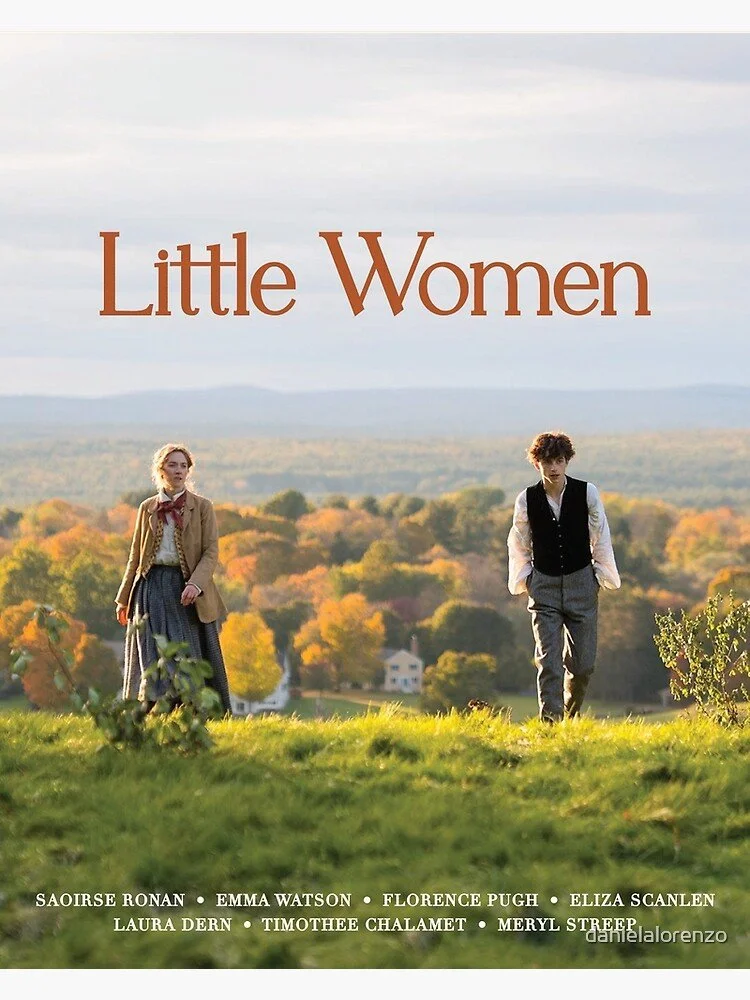
Little Women (2019) - Greta Gerwig
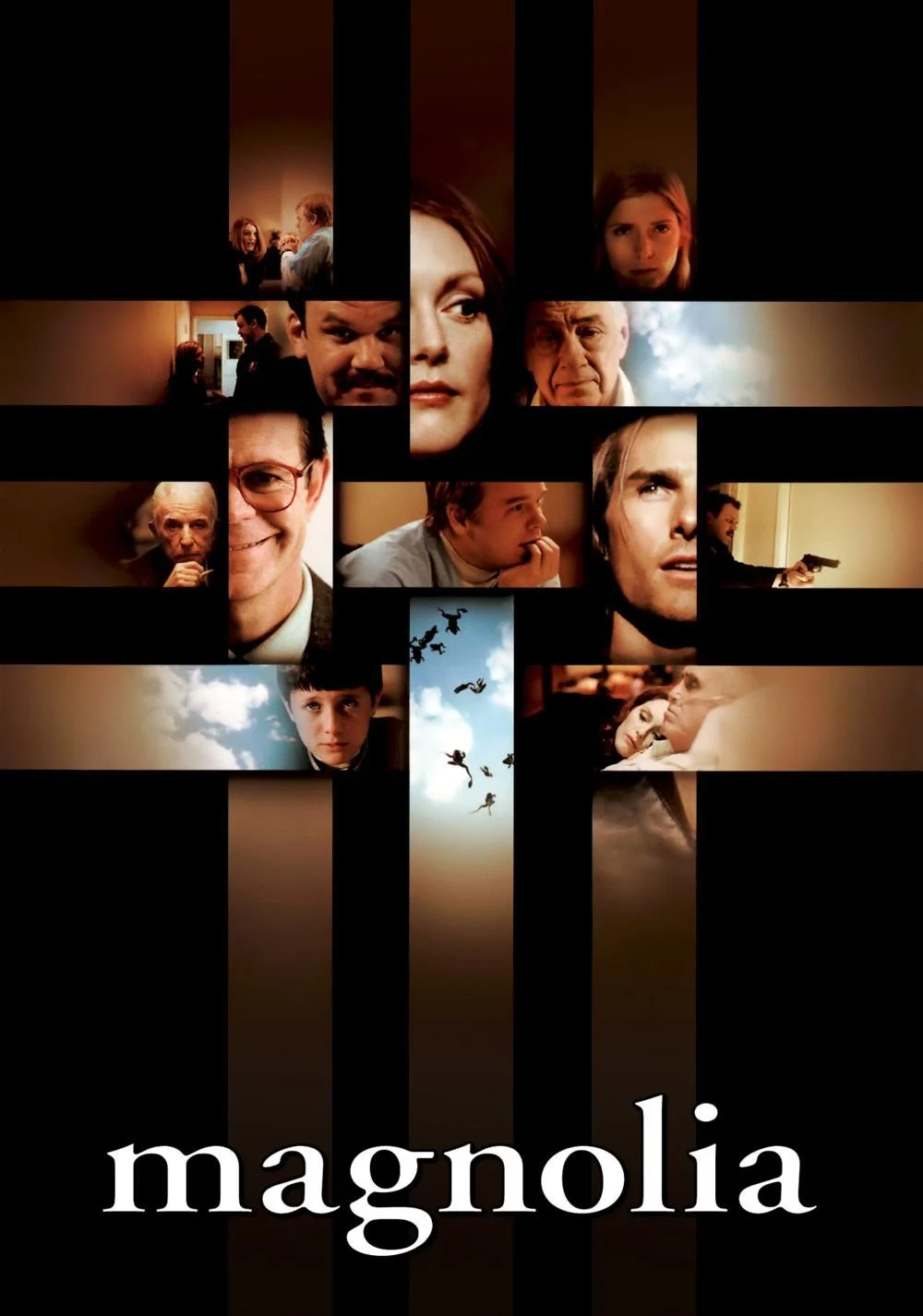
Magnolia (1999) - Paul Thomas Anderson
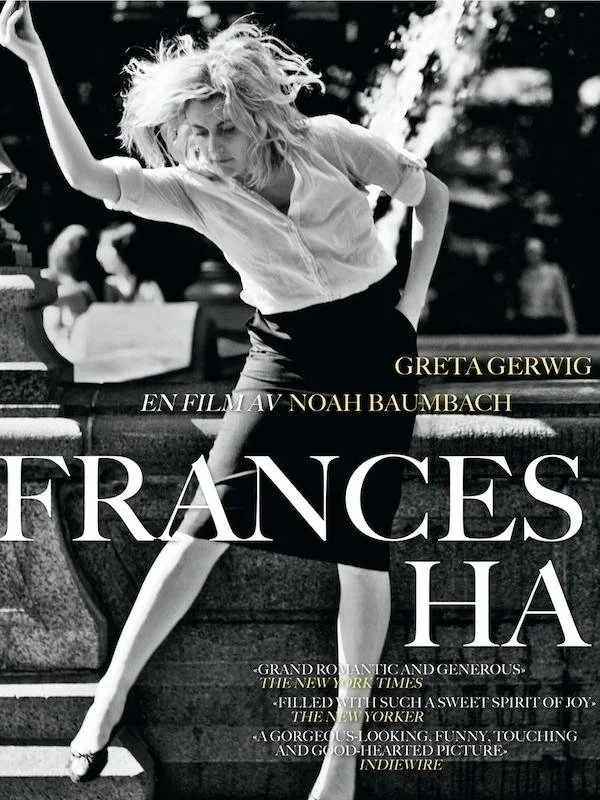
Frances Ha (2012) - Noah Baumbach
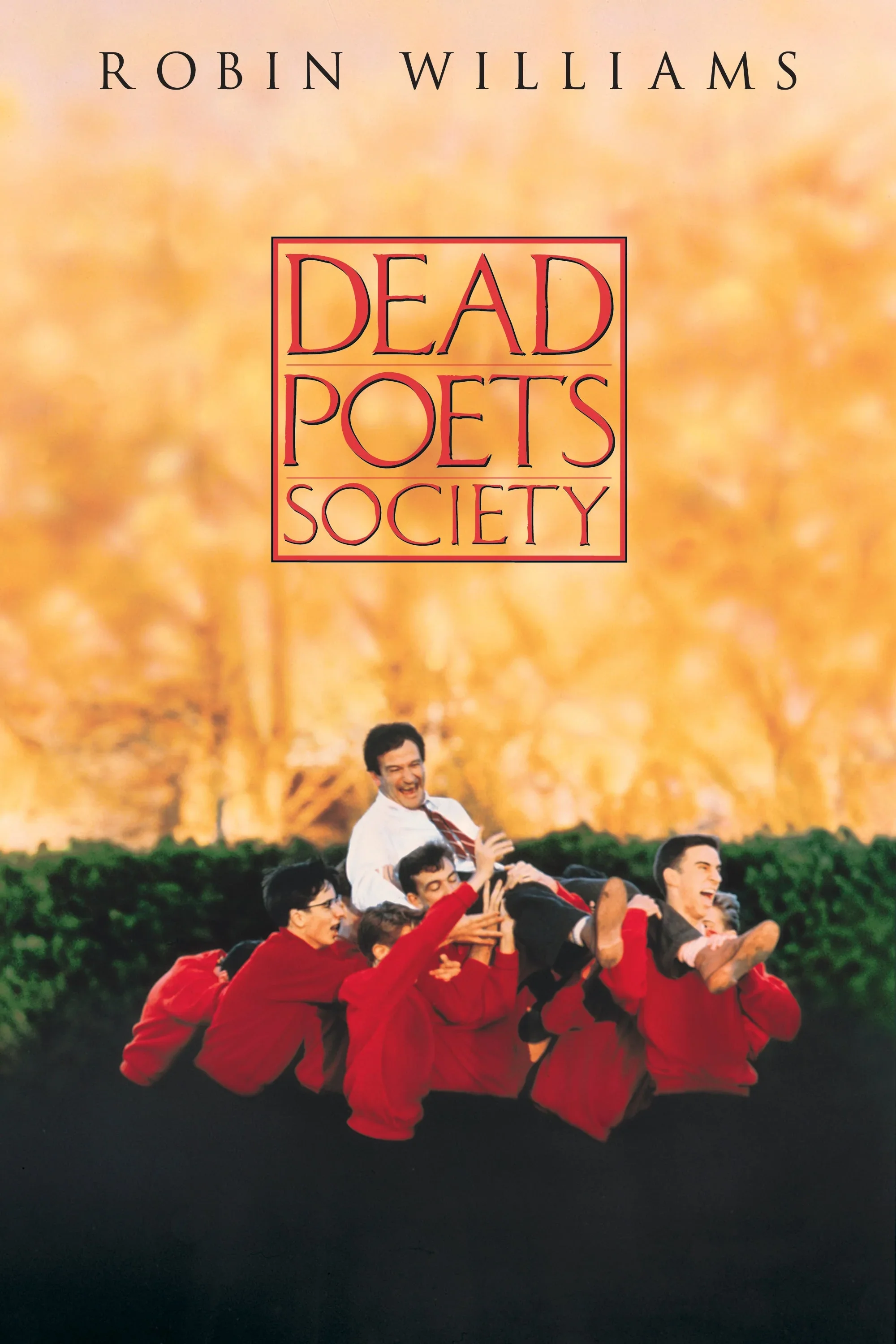
Dead Poet’s Society (1989) - Peter Weir
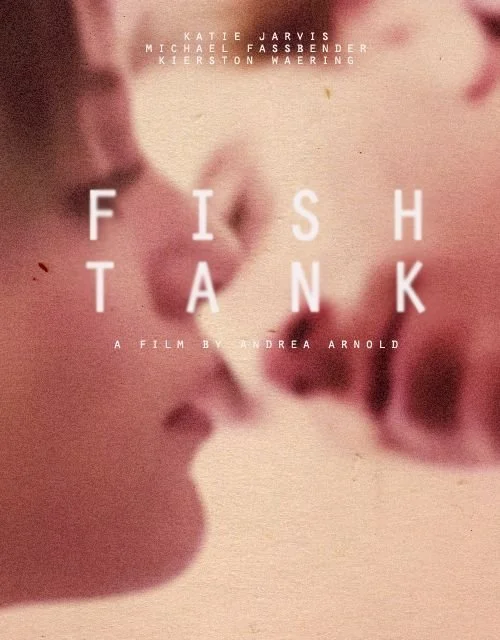
Fish Tank (2009) - Andrea Arnold